
Diesel Engine Rebuild vs. Replacement: Which Option Saves You More Money?
Wondering whether to rebuild or replace your diesel engine? Learn the key differences, costs, downtime considerations, and long-term benefits to determine which option delivers the best value for your truck.
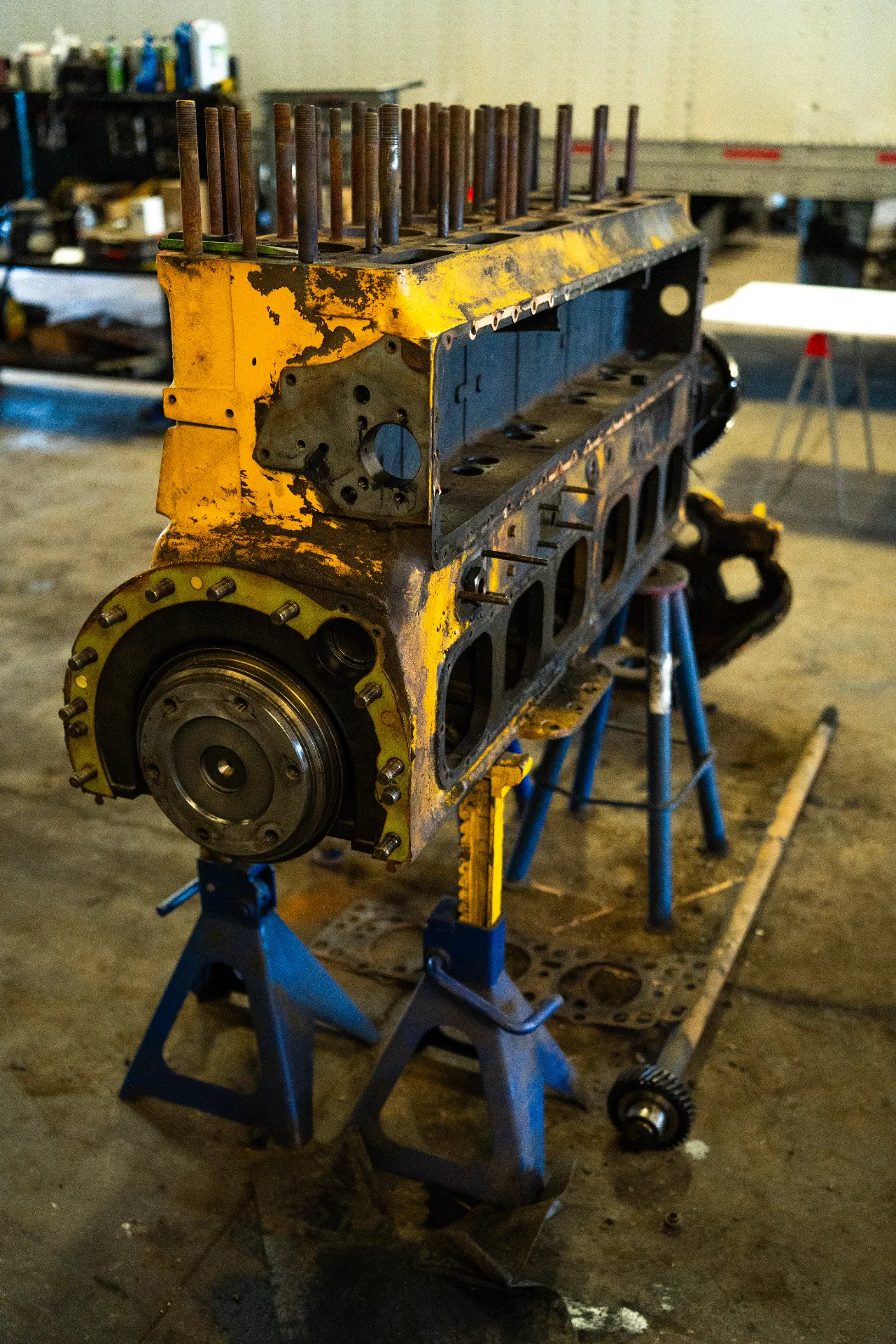
Truck owners often face a difficult question: Should they invest in a diesel engine rebuild or replace the entire engine? Understanding the advantages and drawbacks of each option can help you make a financially sound decision.
Understanding a Diesel Engine Rebuild
A diesel engine rebuild involves disassembling the engine, inspecting its components, replacing worn parts, and restoring it to proper operating condition. Depending on the severity of the wear, a rebuild may be classified as either in-frame or out-of-frame.
An in-frame rebuild typically focuses on major internal components such as pistons, piston rings, cylinder liners, bearings, and gaskets while the engine remains installed in the truck.
An out-of-frame rebuild is more extensive. The engine is completely removed from the vehicle and thoroughly rebuilt. This process often includes replacing or machining additional components such as:
- Crankshaft
- Camshaft
- Cylinder head
- Connecting rods
The primary goal of a rebuild is to restore performance and reliability while retaining the original engine block.
Understanding Engine Replacement
Engine replacement involves removing the existing engine and installing a new one. Depending on the situation, the replacement engine may be new, remanufactured, or used.
A new engine comes directly from the manufacturer and contains all new components. A remanufactured engine is completely disassembled, inspected, and rebuilt to meet factory specifications. These engines often include updated components and extensive quality testing.
A used engine is sourced from another vehicle and installed with minimal internal modifications. Replacement provides a fresh starting point, but it typically requires a larger upfront investment compared to rebuilding.
When a Rebuild Makes Financial Sense
In many situations, rebuilding a diesel engine offers the best value. If the engine block and major structural components remain in good condition, rebuilding can restore performance at a significantly lower cost than full replacement. Many diesel engines are specifically designed to be rebuilt multiple times throughout their service life.
A rebuild may be the most cost-effective option when:
- The engine has moderate wear but no catastrophic damage.
- Compression issues are limited to cylinders and piston components.
- The crankshaft and engine block remain serviceable.
- The truck itself is still in good overall condition.
- You want to maximize return on investment.
For fleet operators and owner-operators managing operating costs, a rebuild often extends engine life while preserving capital for other maintenance needs.
When Replacement May Be the Better Choice
While rebuilding can save money, there are situations where replacement provides better long-term value. Severe engine damage can significantly increase rebuild costs. Cracked engine blocks, damaged crankshafts, excessive overheating, or major lubrication failures may require extensive machine work and parts replacement.
In these cases, replacement may become the more practical solution.
Engine replacement is often recommended when:
- The engine has experienced catastrophic failure.
- Multiple major components require replacement.
- The engine has already undergone previous rebuilds.
- Reliability is critical for high-mileage operations.
- Downtime must be minimized.
A remanufactured engine can provide a balance between cost and reliability while offering warranty protection that may exceed what is available with a rebuild.
Comparing Upfront Costs
Cost is often the deciding factor when choosing between rebuilding and replacing a diesel engine.
A diesel engine rebuild generally costs less because many original components are reused after inspection and machining. Labor expenses remain significant, but the overall investment is usually lower than purchasing a replacement engine.
Engine replacement typically requires:
- Purchasing the replacement engine.
- Installation labor.
- Additional system inspections.
- Potential software updates and calibrations.
While replacement costs more initially, it may reduce the likelihood of future repairs if the existing engine has widespread wear. The most economical option depends on the engine's condition and the total scope of repairs required.
Evaluating Long-Term Value
Looking beyond the initial repair bill is essential.
A properly executed rebuild can provide hundreds of thousands of additional miles of reliable service. However, rebuilding only addresses worn components identified during the process. Other aging systems may still require future repairs. A replacement engine often offers greater long-term reliability because more components are new or remanufactured. This can result in lower maintenance expenses over time.
When calculating value, consider:
- Expected remaining truck lifespan.
- Annual mileage.
- Maintenance history.
- Downtime costs.
- Warranty coverage.
Sometimes spending more upfront can lead to lower ownership costs over several years.
Downtime Considerations
Every day a truck remains out of service can impact productivity and revenue. Depending on parts availability and machine shop schedules, a rebuild may take longer than a straightforward engine replacement. Extensive inspections, machining procedures, and component sourcing can extend repair timelines.
Replacement engines, particularly remanufactured units, are often ready for installation immediately. This can significantly reduce downtime and help vehicles return to service faster. For businesses that depend on consistent vehicle availability, downtime costs should be factored into the overall decision.
The Importance of Accurate Diagnostics
Before deciding between rebuilding and replacing, thorough diesel engine diagnostics are essential.
Symptoms such as excessive oil consumption, loss of power, abnormal engine noise, coolant contamination, and excessive exhaust smoke do not automatically indicate the need for a complete replacement.
Professional technicians can evaluate critical areas, including:
- Cylinder condition.
- Compression levels.
- Bearing wear.
- Crankshaft integrity.
- Cooling system performance.
- Lubrication system health.
A detailed inspection provides the information needed to determine which option offers the greatest financial benefit.
How Preventive Maintenance Influences the Decision
Regular preventive maintenance can significantly delay the need for either rebuilding or replacement.
Routine oil changes, coolant service, fuel system maintenance, and preventive inspections help reduce internal wear and extend engine life. Engines with strong maintenance records are often better candidates for rebuilding because their major components typically remain in better condition.
Neglected maintenance, on the other hand, can accelerate wear and increase the likelihood of catastrophic failures that necessitate replacement. Protecting your investment through preventive maintenance remains one of the most effective ways to reduce lifetime operating costs.
Choosing the Right Option for Your Truck
There is no universal answer when comparing diesel engine rebuilds and replacements. Every truck, engine, and operating environment presents unique circumstances.
A rebuild often delivers excellent value when the engine's foundation remains sound, and repair costs stay manageable. Replacement becomes more attractive when damage is extensive, reliability requirements are high, or long-term operating costs outweigh the higher initial investment.
Working with experienced diesel technicians can help identify the most cost-effective path forward based on your truck's condition and operational goals.
Engine Rebuilds in Woodland, CA
If your truck is showing signs of engine trouble, contact Diamond Diesel Repair in Woodland, California. Our experienced technicians can evaluate your engine's condition and help you determine whether a rebuild or replacement is the most economical solution for your operation.